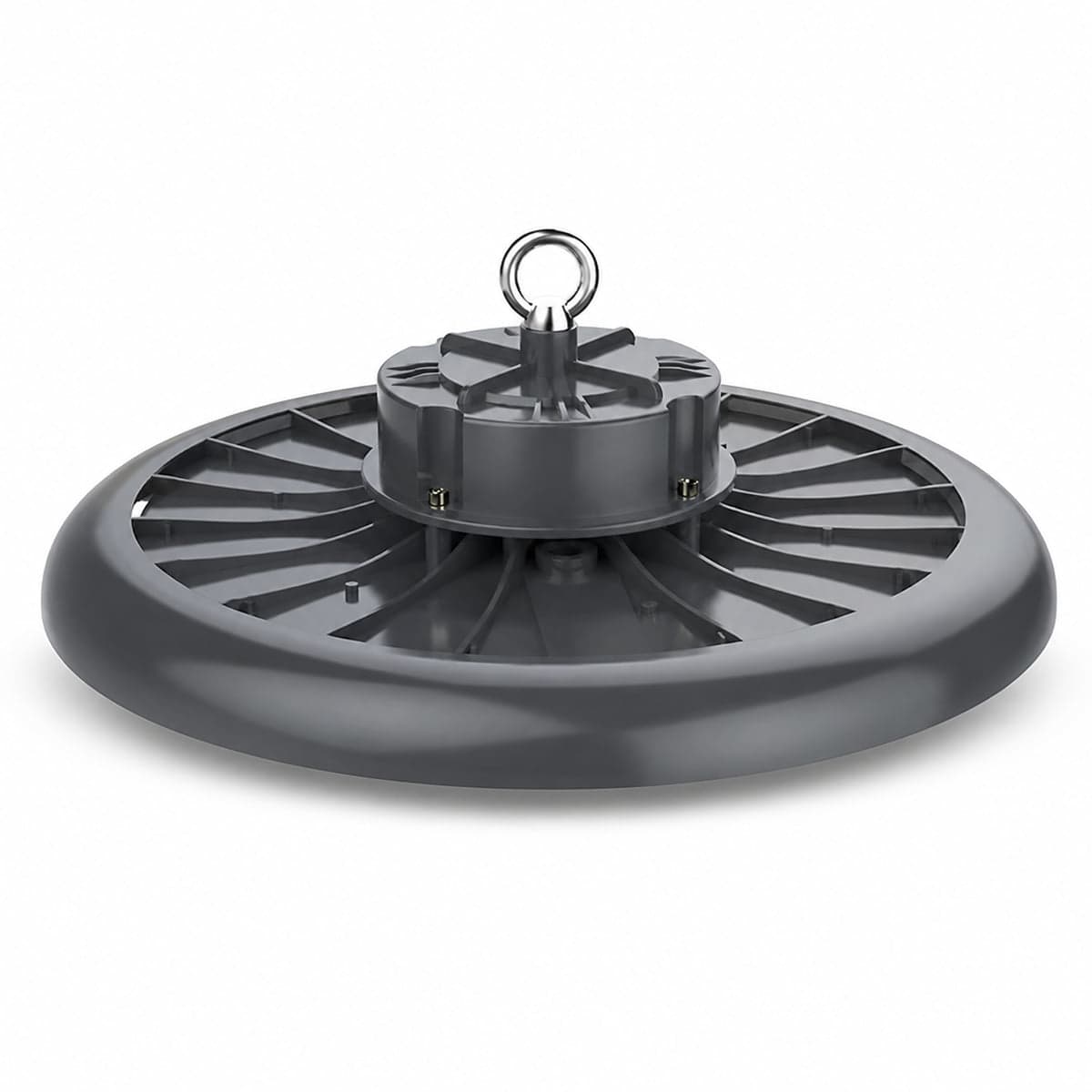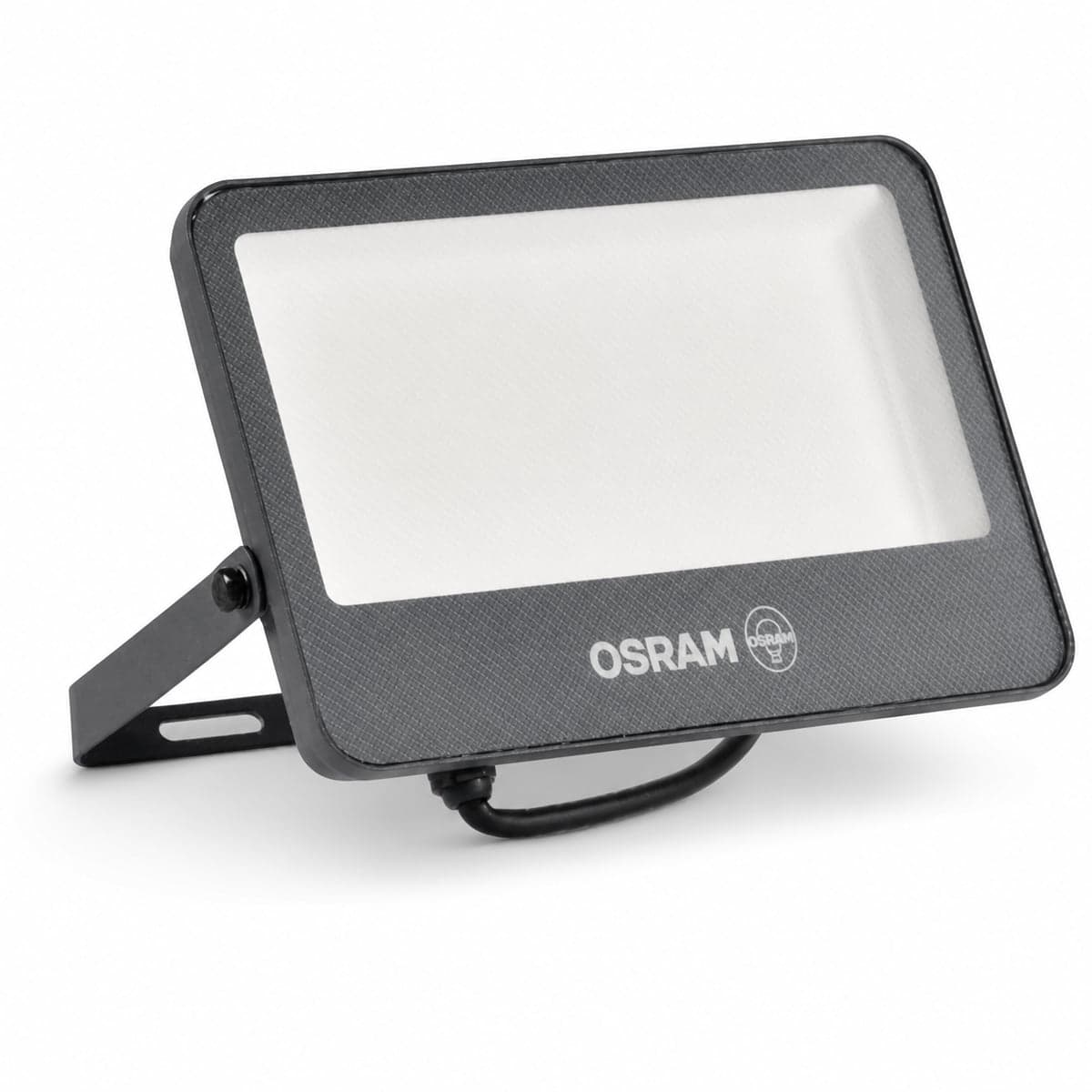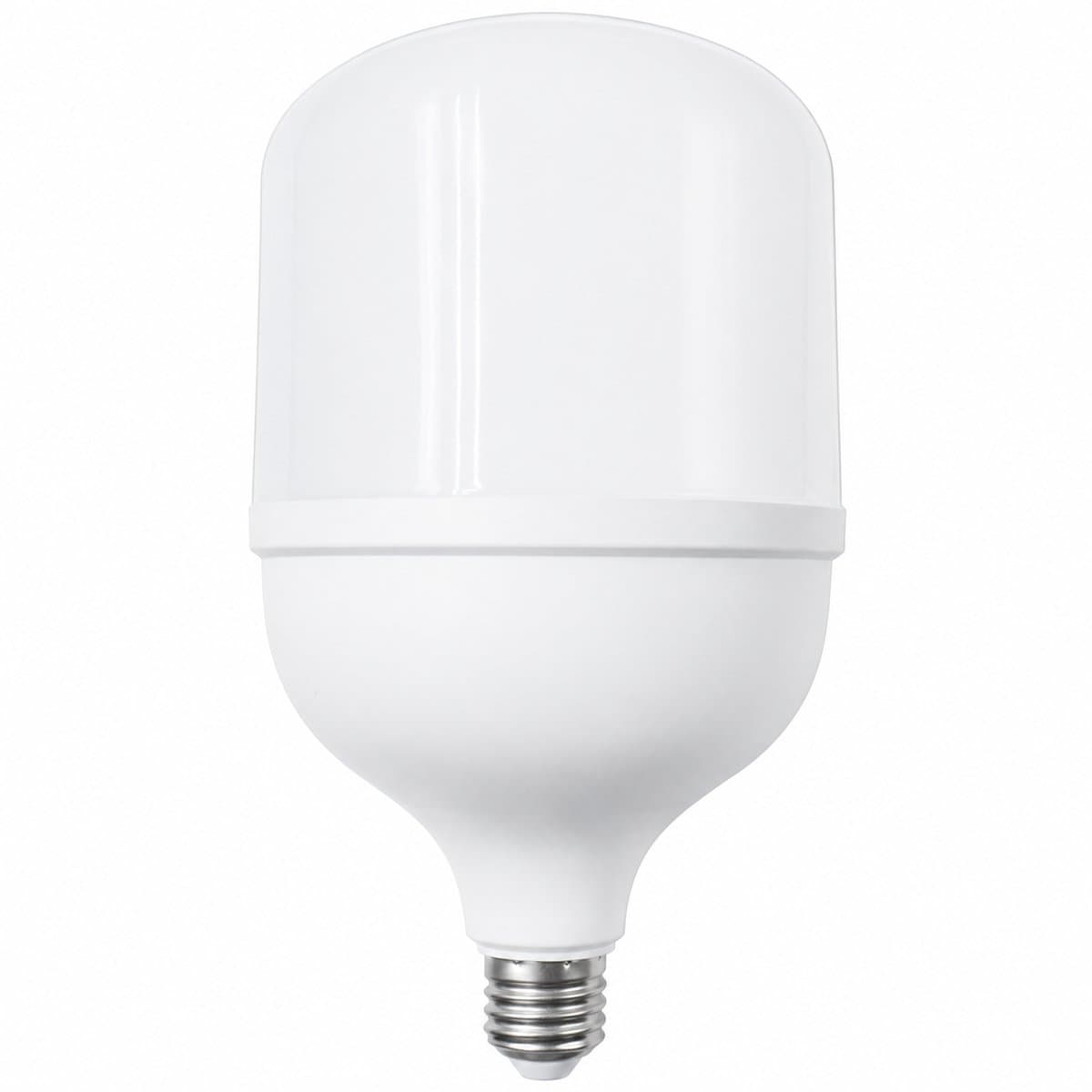
LEDVANCE 100-200W
Wattage is the power a fitting draws, not the light it gives. They are different numbers, and confusing them is the most expensive mistake in a retrofit. Brightness is measured in lumens; to judge whether a fitting is worth its price, look at lumens per watt rather than watts alone.
The most common error is a like-for-like swap: removing a 250W discharge lamp and fitting a 250W LED to be safe. In practice a 100W LED typically replaces a 250–400W discharge lamp. The correct method runs the other way: start from the light level the space needs, work from area and mounting height, then divide into fixture count and wattage per fixture.
Over-specifying is not the safe option. It wastes energy for the whole life of the installation, and under low ceilings it causes glare — staff sitting beneath it all day get tired eyes even though the space is over-lit on paper. Brighter than necessary does not make work easier; light in the right place does.
HKD Lighting imports and distributes LEDVANCE lighting in Vietnam, with import documentation and warranty under the manufacturer policy.
What this brand is good at
- Spun off from OSRAM in 2016 — inherits OSRAM engineering practice and part-numbering.
- Targets the volume segment: LED lamps, ceiling fittings, downlights and tubes.
- Every part number has a published datasheet; warranty terms stated per range.
- Part numbers stay stable across shipments, so a later top-up buys what was installed.
- Suits jobs needing wholesale replacement at a controlled cost.
Which projects it suits
Best suited to housing, offices, shops and any job that needs wholesale replacement at a controlled cost. It differs from OSRAM in segment: enough light, correct colour and easy re-ordering, rather than photometric data for specialist design work.