How to Choose LED High Bay Lights for Different Industrial Facilities
23 tháng 7, 2026

How to Choose LED High Bay Lights for Different Industrial Facilities

Learn why selecting LED High Bay lighting based solely on wattage may lead to inefficient lighting performance. Discover the key factors that should be evaluated before choosing industrial lighting equipment.

When businesses plan to upgrade or install a new industrial lighting system, one of the first questions is often:

"How many watts should the LED High Bay fixture be?"

Although this seems like a straightforward starting point, wattage alone does not determine whether a lighting system will perform effectively in an actual industrial environment.

Modern LED High Bay solutions should be evaluated as part of an integrated lighting system. Ceiling height, illuminance requirements, beam distribution, operating conditions and long-term maintenance all influence how well a lighting solution supports daily production activities.

Choosing the appropriate luminaire therefore begins with understanding the facility itself rather than selecting the highest wattage available.
Why can selecting LED High Bay lights based only on wattage lead to the wrong decision?

When businesses search for industrial lighting solutions, one of the first questions is often:

"Which wattage should we choose?"

Although this is a common starting point, it does not fully address the requirements of an industrial lighting project.

Wattage simply indicates how much electrical power a luminaire consumes. It does not reveal how effectively the fixture distributes light, how efficiently it converts electricity into useful illumination or whether it is suitable for the intended working environment.

Two LED High Bay luminaires with the same wattage may deliver significantly different results because of differences in luminous efficacy, optical design, beam angle, driver quality and lumen maintenance over time.

For manufacturing facilities, the objective is not to install the highest wattage available. The goal is to create a lighting environment that supports production activities, visual comfort, energy efficiency and long-term operational reliability.

Wattage indicates power consumption, but it does not determine the overall performance of an industrial lighting system.

Wattage indicates power consumption, but it does not determine the overall performance of an industrial lighting system.

What characteristics of an industrial facility should be considered before selecting lighting equipment?

There is no universal LED High Bay luminaire that performs equally well in every industrial facility.

Each project presents its own technical and operational requirements that directly influence equipment selection.

These typically include:

Mounting height.
Floor area and building dimensions.
Production equipment and machine layout.
Visual tasks performed in each workspace.
Daily operating hours.
Environmental conditions such as dust, humidity and ambient temperature.

For example, a factory with a 7-metre ceiling requires a different lighting approach from a warehouse with a 12-metre mounting height. Likewise, logistics centres with high storage racks have different lighting requirements compared with open manufacturing areas.

Selecting the appropriate luminaire should therefore begin with understanding the characteristics of the facility before comparing individual products.

Is luminous efficacy more important than wattage?

When comparing LED High Bay luminaires, many businesses naturally focus on wattage because it is one of the easiest specifications to understand. However, wattage only indicates how much electrical power the luminaire consumes. It does not explain how efficiently that energy is converted into useful light.

A more meaningful indicator is luminous efficacy, usually expressed in lumens per watt (lm/W). A luminaire with higher efficacy can produce the required illuminance while consuming less electricity, helping reduce operating costs over time.

Even so, luminous efficacy should not be viewed as the only performance indicator. A luminaire with excellent efficacy may still deliver unsatisfactory results if its optical system, beam angle or installation height does not suit the application.

For industrial facilities, the objective is to achieve the required lighting performance with the most efficient combination of equipment, layout and operating conditions rather than simply selecting the highest efficacy available.

Why does beam angle affect LED High Bay selection?

eam angle determines how light is distributed across the working area and has a direct influence on illuminance uniformity.

In industrial buildings with high ceilings, lighting must reach the working plane efficiently while avoiding excessive light loss or uneven distribution.

A wide beam angle is generally suitable for open production areas with relatively lower mounting heights, where broad and even light coverage is required.

A narrower beam angle is often more appropriate for facilities with higher ceilings, storage racks or applications that require light to be concentrated on specific working zones.

Selecting an unsuitable beam angle may create dark areas, excessive overlap or unnecessary energy consumption because additional luminaires are needed to compensate for poor light distribution.

For this reason, beam angle should always be evaluated together with mounting height, luminaire spacing and the lighting objectives of each project.
Design Consideration

Rather than selecting a beam angle based on experience alone, lighting designers typically evaluate:

Ceiling height.
Working plane height.
Luminaire spacing.
Required illuminance level.
Uniformity ratio.
Characteristics of production or storage areas.

These factors help determine how light should be distributed throughout the facility while maintaining energy efficiency and visual comfort.

A reliable industrial lighting system should be evaluated based on long-term operating performance rather than initial specifications alone.

A reliable industrial lighting system should be evaluated based on long-term operating performance rather than initial specifications alone.

Should businesses always choose the highest Color Rendering Index (CRI)?

Color Rendering Index (CRI) measures how accurately a light source reveals the true colors of objects when compared with natural light. In industrial environments, however, the highest CRI is not always the most appropriate choice.

Areas such as quality inspection, printing, electronics manufacturing or color-sensitive production processes often require higher CRI values to ensure accurate visual evaluation.

In contrast, warehouses, logistics centers and general storage areas usually have different lighting priorities. In these spaces, energy efficiency, illuminance and lighting uniformity may have a greater impact on operational performance than achieving the highest possible CRI.

Instead of applying one specification to every application, businesses should select a CRI level that matches the actual visual requirements of each working area. This approach balances lighting quality, operating efficiency and investment cost.

Why does luminaire lifetime depend on more than the published service hours?

The expected service life shown in product catalogs is only one part of the overall picture. Actual performance depends heavily on the environment in which the luminaire operates.

Industrial facilities often expose lighting equipment to challenging conditions such as dust, high ambient temperatures, humidity, vibration and long daily operating hours. These factors can significantly affect thermal performance, electronic components and long-term reliability.

A luminaire with an impressive lifetime specification may still experience reduced performance if it is not suitable for the intended operating environment.

When evaluating LED High Bay solutions, businesses should also consider:

Driver reliability.
Thermal management.
Heat dissipation design.
IP protection rating.
IK impact resistance.
Maintenance accessibility.
Stability of luminous output over time.

Selecting equipment that matches real operating conditions helps reduce unexpected maintenance, extend service life and improve the overall return on investment.

When should businesses seek professional lighting consultation before selecting equipment?

Many lighting projects begin with a request for a quotation based on a specific wattage or product model. While this may simplify purchasing, it does not always result in the most effective lighting solution.

Professional consultation becomes particularly valuable when:

Building a new manufacturing facility or warehouse.
Replacing conventional lighting with LED technology.
Expanding or modifying production areas.
Reducing long-term energy consumption.
Improving lighting quality for production processes.
Comparing different lighting solutions before making an investment.

At this stage, the objective is not simply to recommend a luminaire but to understand how the entire lighting system should perform within the facility.

A comprehensive evaluation normally considers ceiling height, workspace layout, production activities, environmental conditions and maintenance requirements before selecting the most appropriate solution.

This approach helps businesses avoid unnecessary modifications after installation while improving lighting quality, operational efficiency and long-term investment value.

HKD Lighting Perspective

At HKD Lighting, selecting an LED High Bay luminaire is never based solely on wattage or product specifications.

Our consultation process begins by understanding the characteristics of each industrial facility, including ceiling height, production activities, environmental conditions and lighting objectives. These factors form the basis for recommending a solution that aligns with the customer's operational requirements.

As a provider of genuine lighting products from multiple international brands, HKD Lighting focuses on helping businesses evaluate technical requirements before selecting equipment. Rather than promoting a single product, we recommend solutions that support long-term operational performance, energy efficiency and sustainable investment.

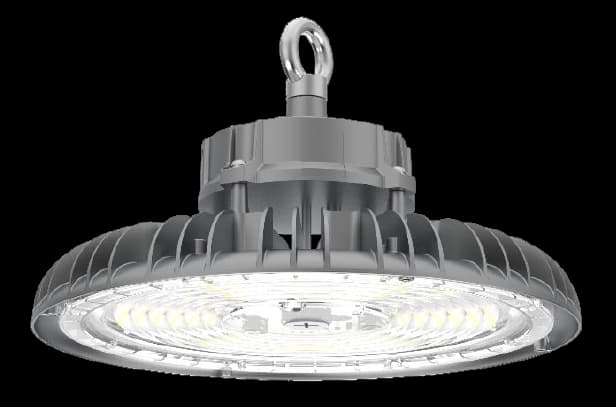
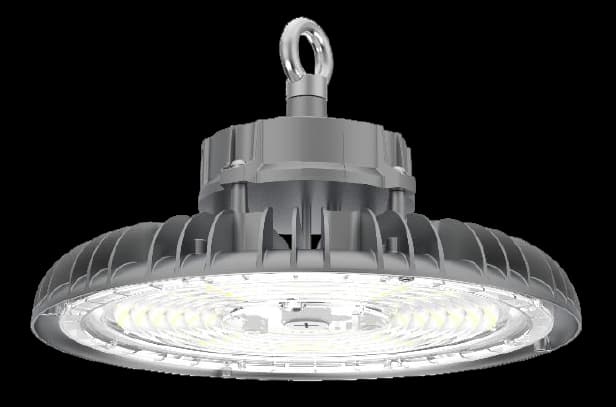
Recommended LED High Bay solution for factories, warehouses and industrial buildings with high ceilings.

Recommended LED High Bay solution for factories, warehouses and industrial buildings with high ceilings.

ledcomfo-highbay-v4-osram-product-05.webp

For industrial facilities with high ceilings, selecting the right LED High Bay luminaire requires more than comparing wattage. Lighting performance should always be evaluated alongside mounting height, beam angle, illuminance requirements and long-term operating conditions.

HKD Lighting currently offers the LEDCOMFO® Highbay V4 OSRAM series for industrial lighting applications. The product is designed to support reliable operation, high energy efficiency and flexible installation across a wide range of factory and warehouse environments.

Key features

System efficacy up to 160 lm/W
Power options from 50W to 240W
Beam angles of 60° and 90°
ON/OFF, 0–10V Dimming and DALI control options
IP65 protection rating
Suitable for factories, warehouses and logistics facilities

Conclusion

Selecting an LED High Bay luminaire should never be based solely on wattage or purchase price.

The overall performance of an industrial lighting system depends on how well the equipment matches the characteristics of the facility, including mounting height, lighting requirements, operating environment and maintenance expectations.

By evaluating the complete lighting solution rather than individual specifications, businesses can improve visual comfort, reduce energy consumption and achieve a lower total cost of ownership throughout the lifecycle of the installation.