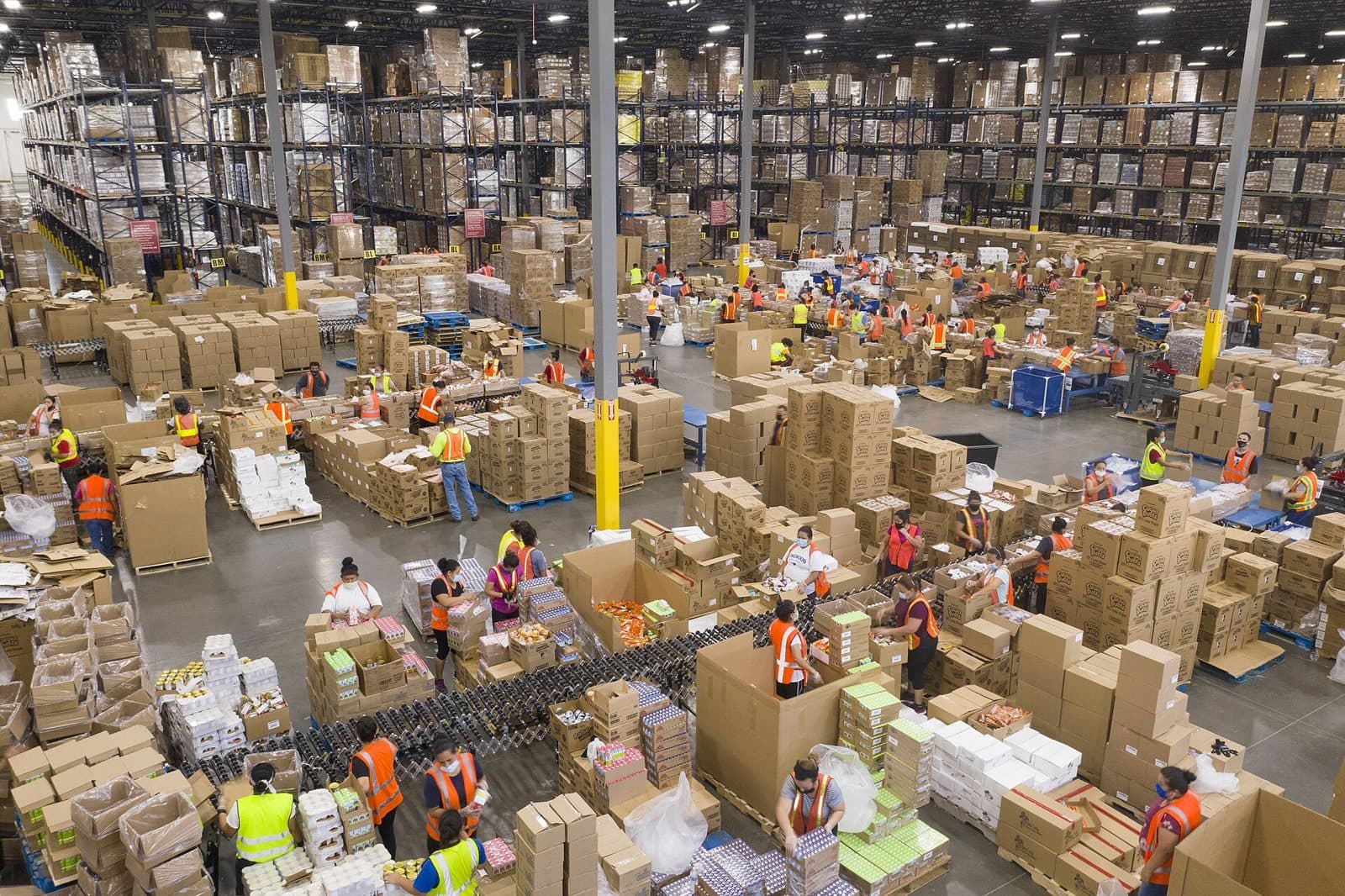
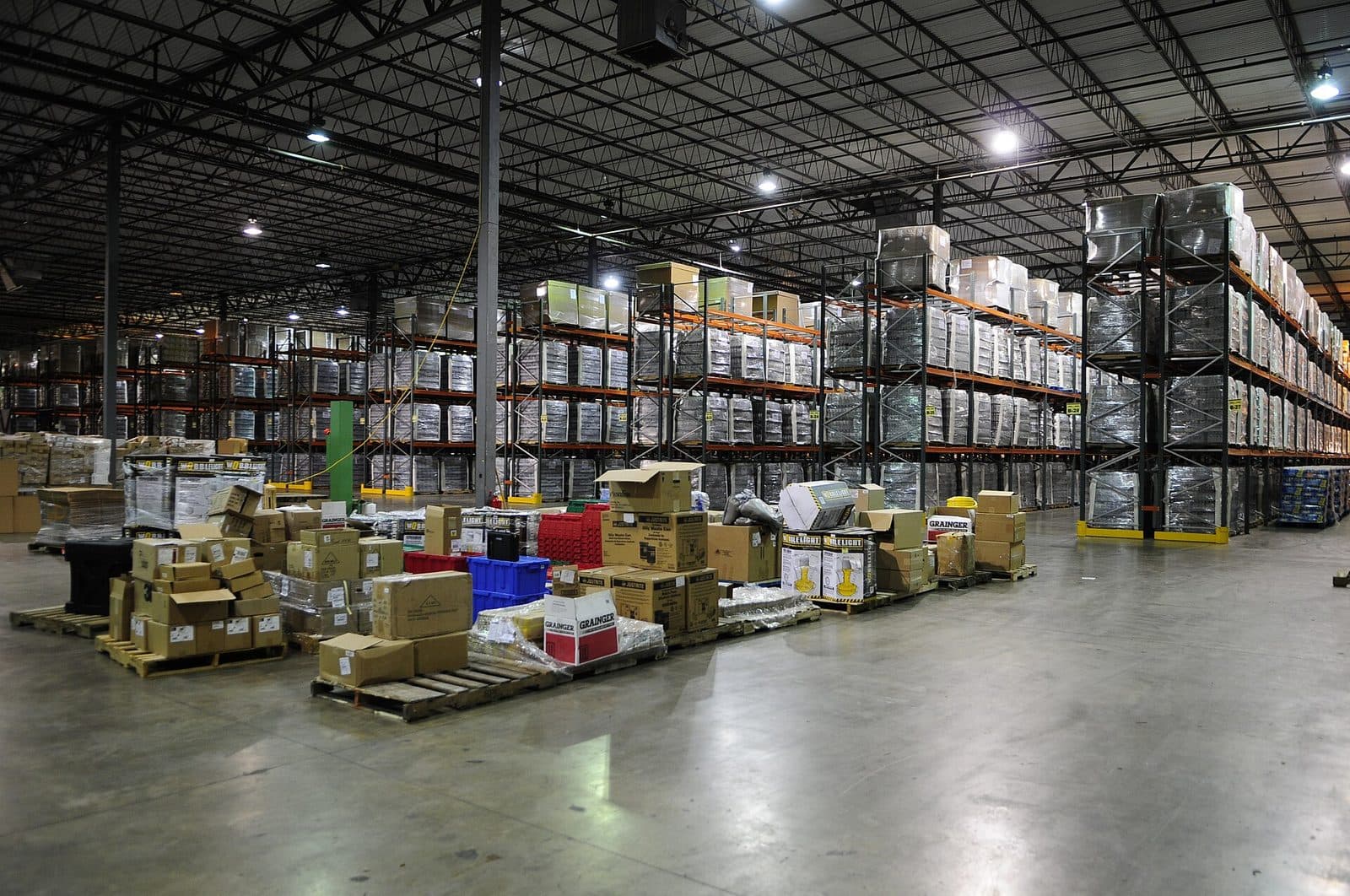
Kho hàng trần cao với hệ đèn treo chiếu sáng cả khu vực kệ và lối đi
21 tháng 11, 2026

Choosing LED High Bay Lights for Factories: The Factors That Determine Performance and Operating Cost

LED high bay lights are widely used in factories, warehouses and logistics centers with high ceilings. However, the performance of the system depends not only on the quality of the luminaires but also on how they are selected, designed and laid out to suit each facility. Many businesses still end up with insufficient light, glare, high power consumption or extra maintenance costs after investing, even though they use LED high bay lights. The cause often lies in decisions made at the equipment selection stage. This article looks at common mistakes when choosing LED high bay lights for factories, and gives businesses a more complete view before investing in or upgrading an industrial lighting system.

In recent years, LED high bay lights have gradually replaced traditional lighting technologies in factories thanks to their high energy efficiency, long service life and good suitability for spaces with great ceiling height.

For many businesses, choosing equipment usually starts with very familiar questions: how much wattage to use, which brand is better, or what price fits the investment budget.

These are all important factors, but they are not what decides the performance of the whole system. In practice, quite a few facilities still have to adjust their lighting plan after going into operation, even though they chose luminaires considered to be of good quality.

In most cases, the cause is not the product itself but the way the business assessed its needs and chose a solution from the start. An unsuitable decision can lead to many additional costs over the entire operating life of the system.
Why should choosing LED high bay lights not start with wattage?

This is the most common approach when a business starts looking into factory lighting solutions.

The question "how many watts does the factory need?" appears in almost every renovation or new-build project. Wattage is easy to compare and easy to picture, and it is often treated as the basis for estimating power consumption.

However, wattage only reflects the amount of electricity the luminaire uses. It does not reflect the quality of the light the system produces at the work area.

Two luminaires with the same wattage can still give completely different results if they differ in luminous efficacy, optical design, light distribution angle, driver quality or ability to maintain luminous flux over time.

In many cases, a lower-wattage luminaire that is correctly selected and sensibly laid out can still meet lighting requirements better than a high-wattage option.

What a business needs to determine is not how to use the most powerful luminaire, but how to choose a solution that delivers the right lighting level for production needs with a reasonable amount of electricity.


Why does the same LED high bay model perform differently in different factories?

This is one of the common misunderstandings when businesses refer to projects that have already been carried out. A factory that uses an LED high bay model effectively does not mean that the same option will suit every facility of a similar area.

In practice, every factory has its own characteristics that directly affect how light is distributed and used. Mounting height, roof structure, the color of walls and floors, the position of production lines, shelving systems and the distances between work areas all change the lighting requirements of the facility.

A precision machining workshop usually needs stable illuminance at the work position so that workers can see small details for long periods. A logistics warehouse, on the other hand, prioritizes the ability to recognize goods, safe forklift movement and fewer dark zones between aisles.

Even when the same LED high bay model is used, the way the luminaires are laid out in these two facilities will be completely different. If the same plan is applied to both, the system can easily end up with insufficient light, excess light or uneven light distribution.

Besides the space itself, operating conditions also have a considerable effect on system performance. A factory running three shifts continuously, or one with a dusty environment or high temperatures, has different requirements from a facility that only operates during office hours.

That is why choosing LED high bay lights always needs to be placed in the overall context of the facility, rather than relying only on the specifications of one product or on experience from another project.

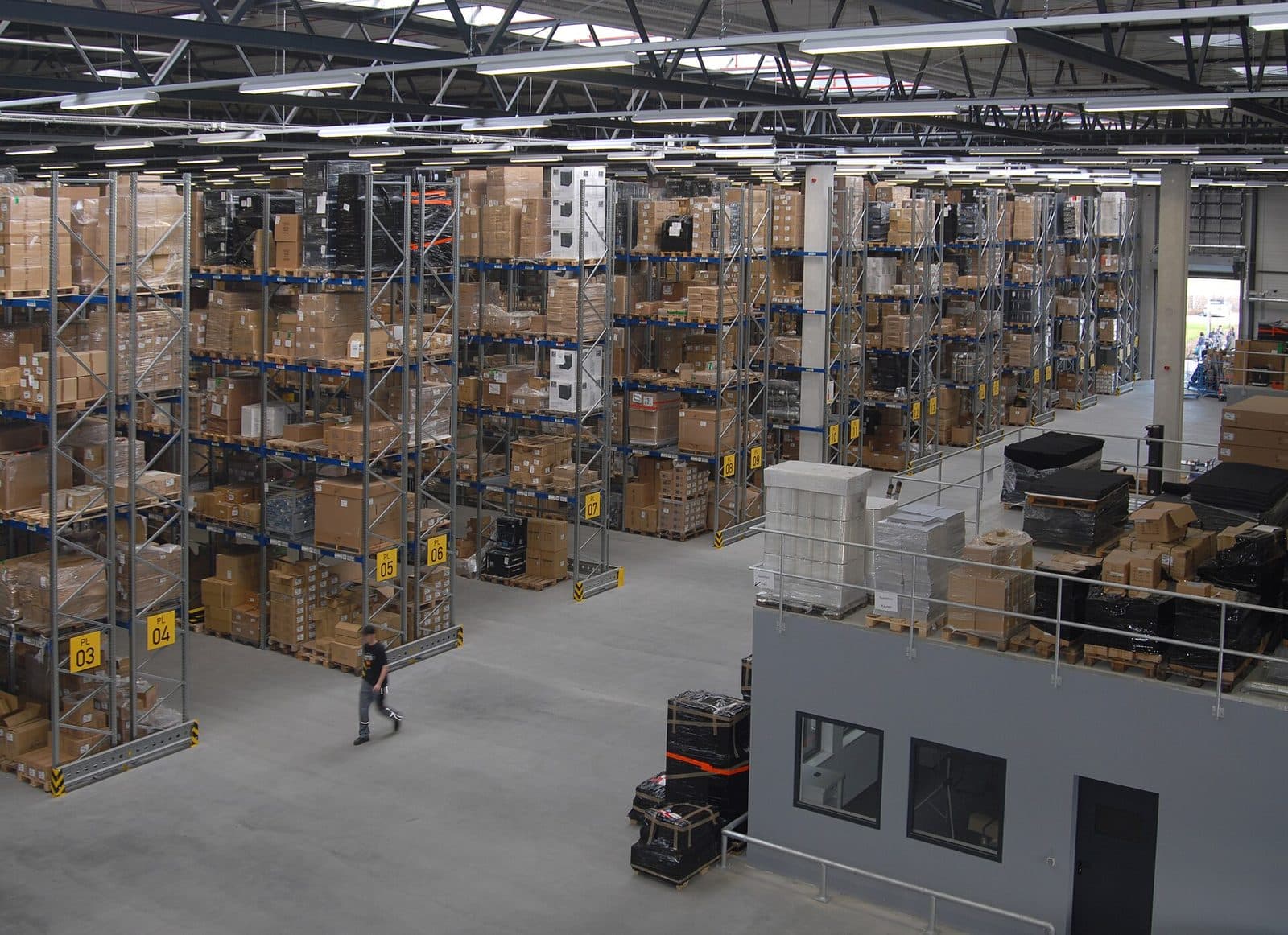
Warehouse with many rows of tall racking, where each aisle needs lighting matched to the rack layout

High luminous flux does not necessarily make a lighting system more effective

Luminous flux (lumen) is the specification that shows the total amount of light a luminaire emits. It is an important figure, but it should not be treated as the only criterion when choosing LED high bay lights.

In practice, what a business needs is not the largest amount of light emitted, but the amount of light that actually reaches the work area.

If the beam angle is unsuitable or the mounting spacing has not been calculated properly, part of the light may spread to areas that do not need it, or cause glare when workers look in the direction of the luminaire.

Conversely, a luminaire with lower luminous flux but the right distribution angle and a sensible layout can still create a more effective working environment, while also reducing the number of luminaires to install and optimizing power consumption.

That is also why, in industrial lighting projects, luminous flux is always assessed together with mounting height, optical distribution curve, light uniformity and the actual usage requirements of each area, rather than being treated as an independent specification.

Why should LED high bay lights not be chosen purely on the lowest price?

Purchase price is always one of the first factors a business considers when investing in a lighting system. This is entirely reasonable, since the initial cost directly affects the project budget.

However, for a factory lighting system, the price of a luminaire only reflects the investment at the time of purchase. It does not reflect all the costs the business will pay over the course of operation.

A low-priced device with poor luminous efficacy, fast luminous flux depreciation or a short actual service life may force the business to replace it earlier than planned. The cost then includes not only buying new equipment but also labor, forklifts, production downtime and the impact on the factory's operating plan.

For factories with great ceiling height or continuous multi-shift operation, every maintenance visit generates considerable cost. Choosing equipment only on initial purchase price can therefore raise the total cost of ownership over the following years.

In many projects, an option with a somewhat higher investment cost but stable operation, lower electricity use and longer maintenance intervals delivers better economic results in the long term.

That is also why more and more businesses evaluate investment performance based on Total Cost of Ownership (TCO) instead of only comparing the unit price of each luminaire.

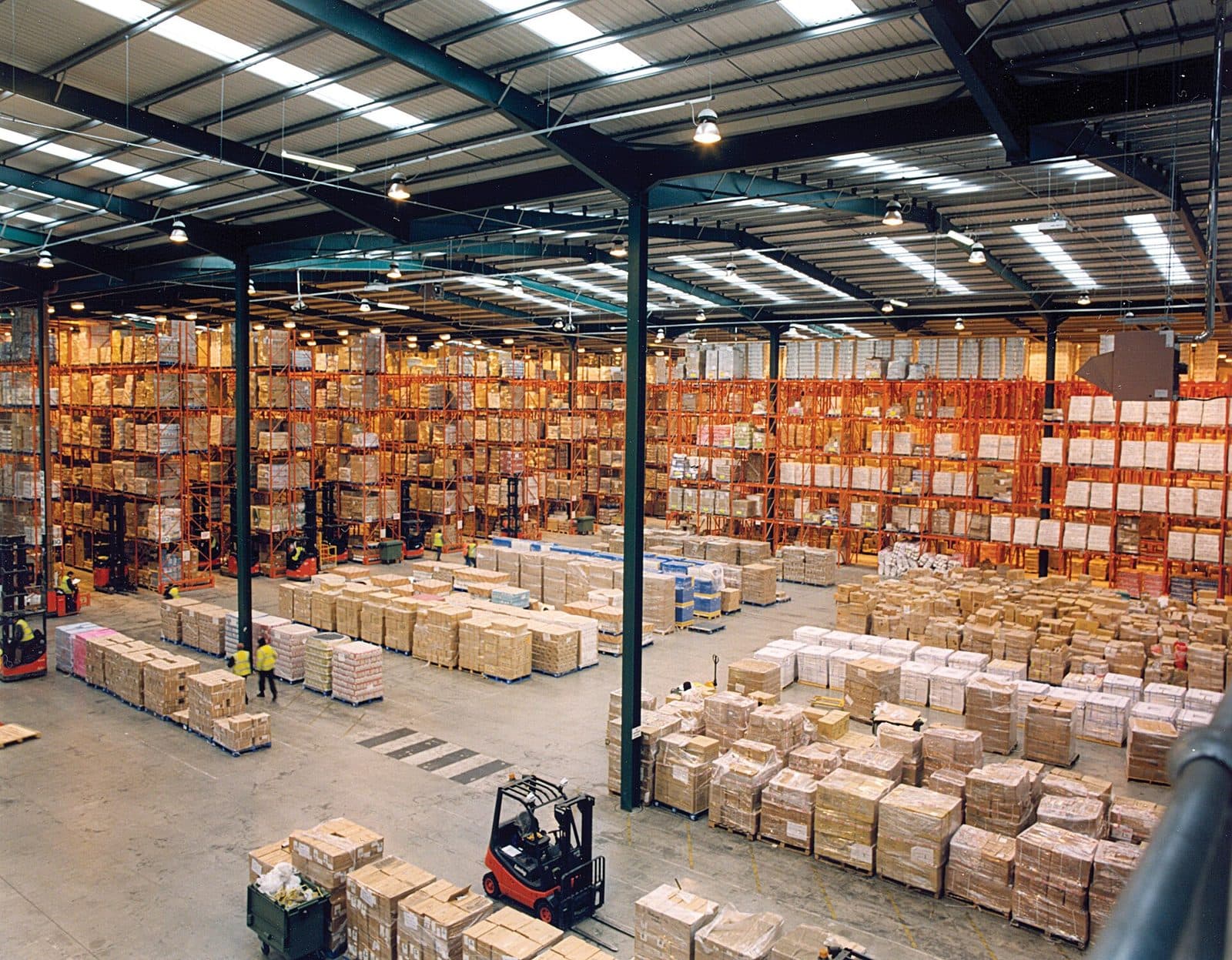
High-ceiling warehouse with suspended luminaires and roof lights, a forklift working between the racks

How do operating conditions determine which LED high bay light is suitable?

Specifications in a catalog are usually published based on standard test conditions. Meanwhile, the actual operating environments of factories vary widely.

A metallurgy workshop with high temperatures sets different requirements from a food processing plant. Cold storage, woodworking shops, cement plants or areas with high humidity also create completely different working conditions for a lighting system.

Factors such as dust, moisture, chemicals, ambient temperature, vibration or continuous operating time all directly affect the service life and stability of the luminaire.

If the equipment does not suit the conditions of use, the business may face fast luminous flux depreciation, driver failure, shorter service life or more maintenance than expected.

Besides the working environment, operating time is also an important factor. A system running 24 hours a day has different requirements from a facility used only during office hours. Switching cycles, the maintenance plan and the ability to expand in the future all need to be considered from the equipment selection stage.

A suitable solution not only meets lighting requirements at the time of installation but also keeps performing stably throughout the operating life of the facility.

Large warehouse operating continuously, with many rows of high-ceiling luminaires lighting the work area

Specifications that businesses often overlook when choosing LED high bay lights

When researching products, many businesses tend to focus on wattage, price or luminous flux because these are the specifications that are easy to compare between suppliers.

However, to assess whether an LED high bay luminaire is really suitable for a facility, there are still many other technical factors to consider.

Luminous efficacy (lm/W) indicates how well electricity is converted into useful light. A high-efficacy device reduces power consumption while still meeting illuminance requirements.

The optical distribution curve determines whether light is concentrated or spread out. The same luminaire with different beam angles will give completely different results when installed at different heights.

The color rendering index (CRI) affects how well the colors of objects can be recognized, especially in quality inspection areas, electronics assembly or production that requires close observation of details.

Glare control (UGR) contributes to a more comfortable working environment, reduces eye strain and helps workers see for long periods.

In addition, the quality of the LED driver, heat dissipation and the rate of luminous flux depreciation over time also directly affect the service life and operating performance of the whole system.

When these specifications are evaluated together with the actual conditions of the facility, the business has a better basis for choosing a suitable solution instead of just comparing products one by one.

HKD Lighting's perspective

In industrial lighting projects, HKD Lighting does not start by introducing an LED high bay model or proposing a specific wattage. Before choosing equipment, the technical team focuses on understanding the current state of the facility, the characteristics of production, the lighting requirements and the business's investment goals.

From this information, the lighting plan is built on a balance between light quality, energy efficiency, investment cost and long-term operability. Choosing equipment is only one step in the whole consulting process, not the starting point of the solution.

As a provider of consulting and genuine lighting equipment from many domestic and international brands, HKD Lighting is able to propose options suited to each type of facility rather than being limited to one product catalog. This approach gives businesses more choices and reduces the risk of an investment that does not fit actual needs.

For HKD Lighting, an effective lighting system is not judged by higher wattage or a larger number of luminaires, but by its ability to meet operating requirements, maintain stable light quality and keep the total cost of ownership well controlled throughout the life of the system.

Conclusion

LED high bay lights are a suitable lighting solution for many factories and industrial facilities, but the performance of the system is not determined by a single specification or a single product. Wattage, luminous flux, price or brand are all factors to consider, but they only become meaningful when placed in the specific operating conditions of each facility.

Decisions made at the equipment selection stage directly affect light quality, power consumption, maintenance costs and the system's ability to expand for many years afterward. An overall assessment, from usage needs and the characteristics of the space to investment goals, will therefore help businesses reduce risk and optimize performance in use.

For industrial lighting projects, choosing correctly is not simply a matter of finding an LED high bay luminaire with higher specifications. The real value lies in building a solution that suits the production environment, so that the system runs stably, saves energy and delivers economic results in the long term.


Image credits

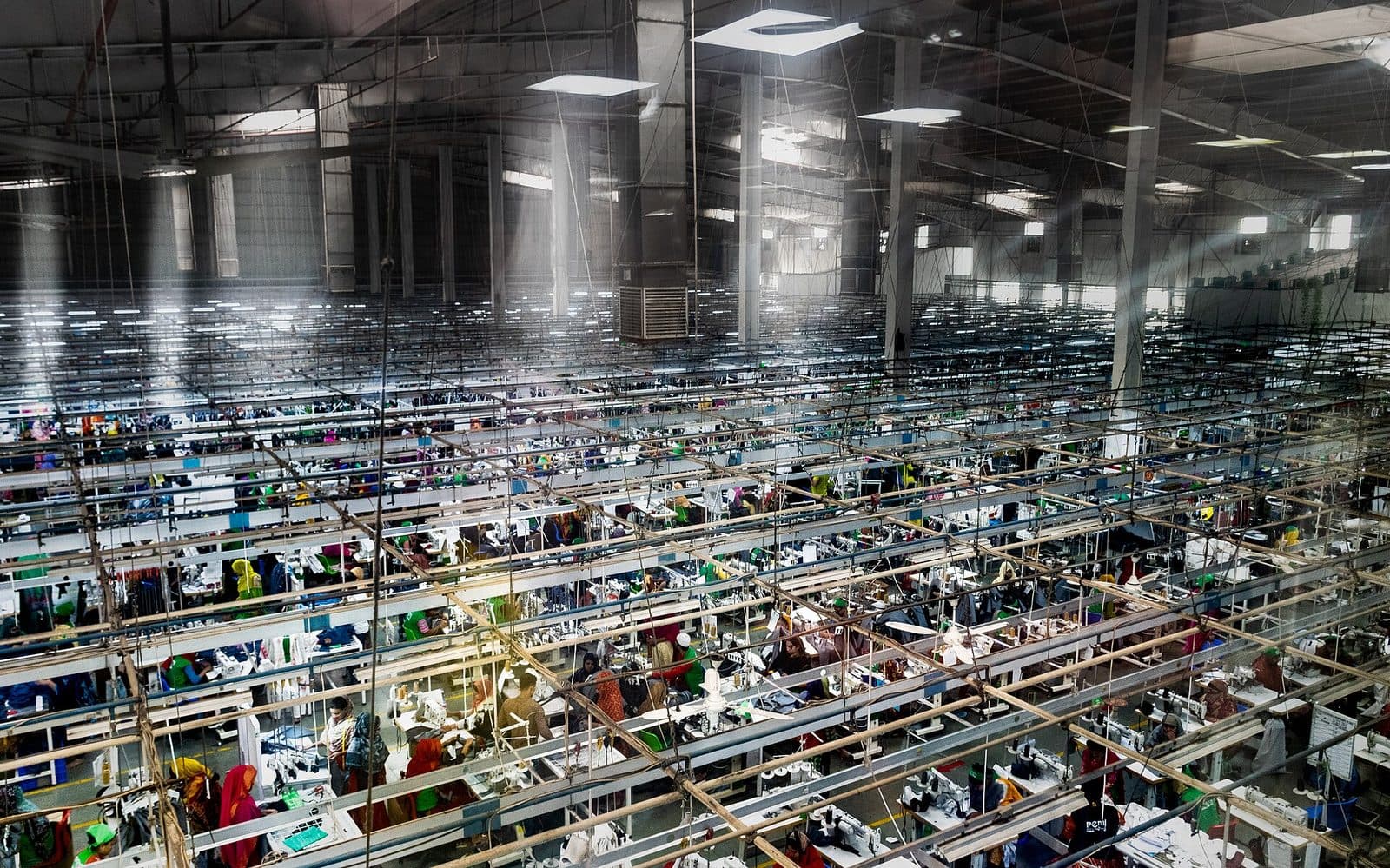
Illustrative images from Wikimedia Commons: High-ceiling warehouse: Barry Bahler / Wikimedia Commons, public domain; Warehouse with multiple rows of shelving: Adamhallgmbh / Wikimedia Commons, CC BY-SA 3.0 DE; Pallet rack warehouse: Axisadman / Wikimedia Commons, CC BY-SA 3.0; Warehouse in continuous operation: U.S. Department of Agriculture / Wikimedia Commons, public domain.