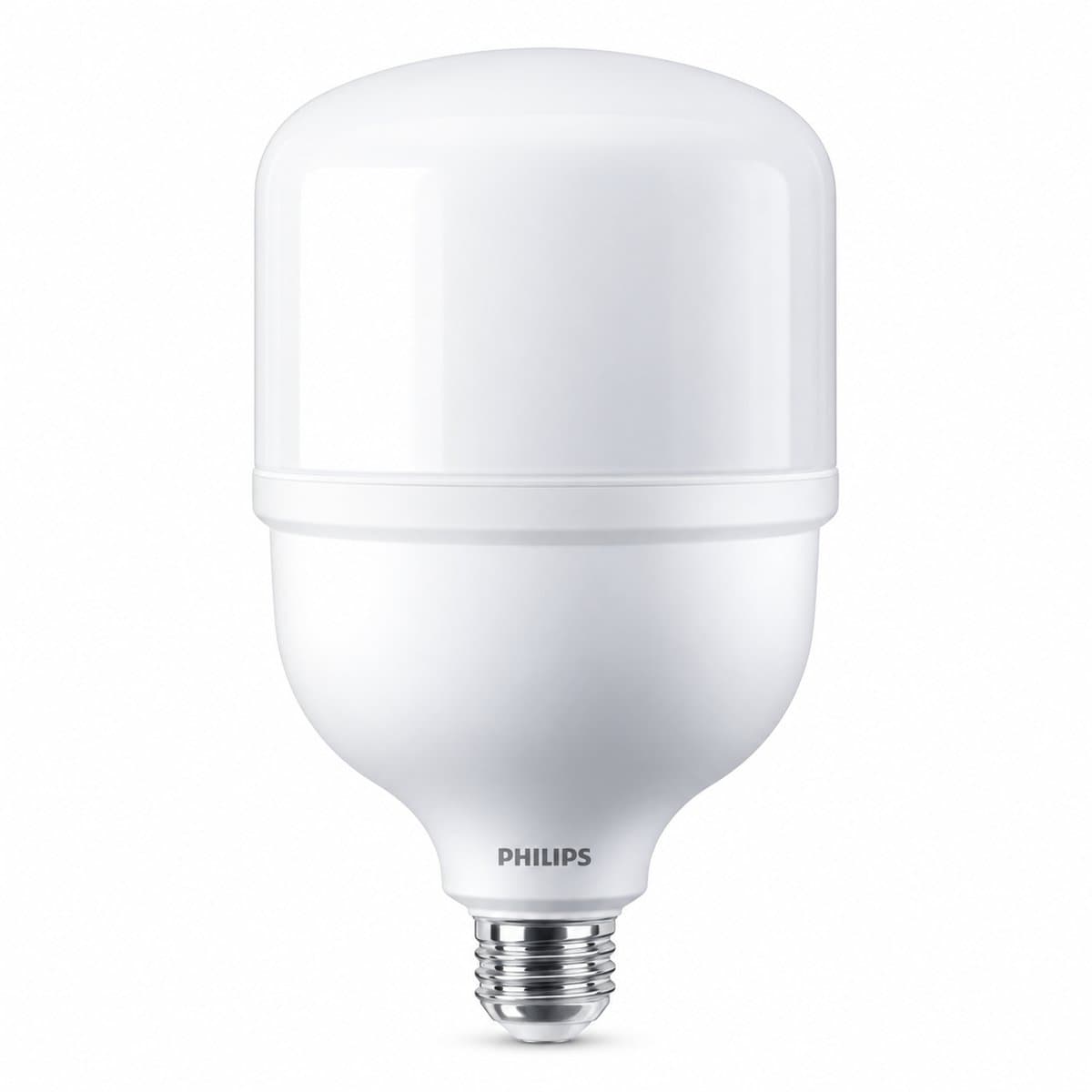
Philips 50-100W
Wattage is the power a fitting draws, not the light it gives. They are different numbers, and confusing them is the most expensive mistake in a retrofit. Brightness is measured in lumens; to judge whether a fitting is worth its price, look at lumens per watt rather than watts alone.
The most common error is a like-for-like swap: removing a 250W discharge lamp and fitting a 250W LED to be safe. In practice a 100W LED typically replaces a 250–400W discharge lamp. The correct method runs the other way: start from the light level the space needs, work from area and mounting height, then divide into fixture count and wattage per fixture.
Over-specifying is not the safe option. It wastes energy for the whole life of the installation, and under low ceilings it causes glare — staff sitting beneath it all day get tired eyes even though the space is over-lit on paper. Brighter than necessary does not make work easier; light in the right place does.
HKD Lighting supplies genuine Philips lighting, including both the Philips Hue and WiZ smart lighting systems, with manufacturer warranty.
What this brand is good at
- A full residential range: LED lamps, downlights, ceiling fittings, tubes, magnetic track spots, desk lamps.
- The EcoLink value line for large replacement batches.
- Two smart lighting systems, Hue and WiZ, from one brand.
- LED strips and decorative lights for living rooms and bedrooms.
Which projects it suits
Best suited to homes, apartments and small offices upgrading step by step: start with one smart lamp, then extend to the whole room. Unlike OSRAM, the focus is the experience at home rather than industrial lighting.